Tire Basics - RD
Low Pro Radial Tire (LP)
- Our most common tire
- Most common trailer tire on the market so they are readily available and
- Most cost effective for the weight and speed rating
- Size example: LP22.5 or 295/75R22.5
Traditional Radial Tire
- Taller radial tire design still used by some trucking companies
- Taller tire than a Low Pro; heavier as a result
- More expensive because they take more material to produce and are less common
Bias Ply Tire
- Older technology; do not wear or last as long as radial tires
- Develop a “flat spot” after sitting for a while
- Not to be used
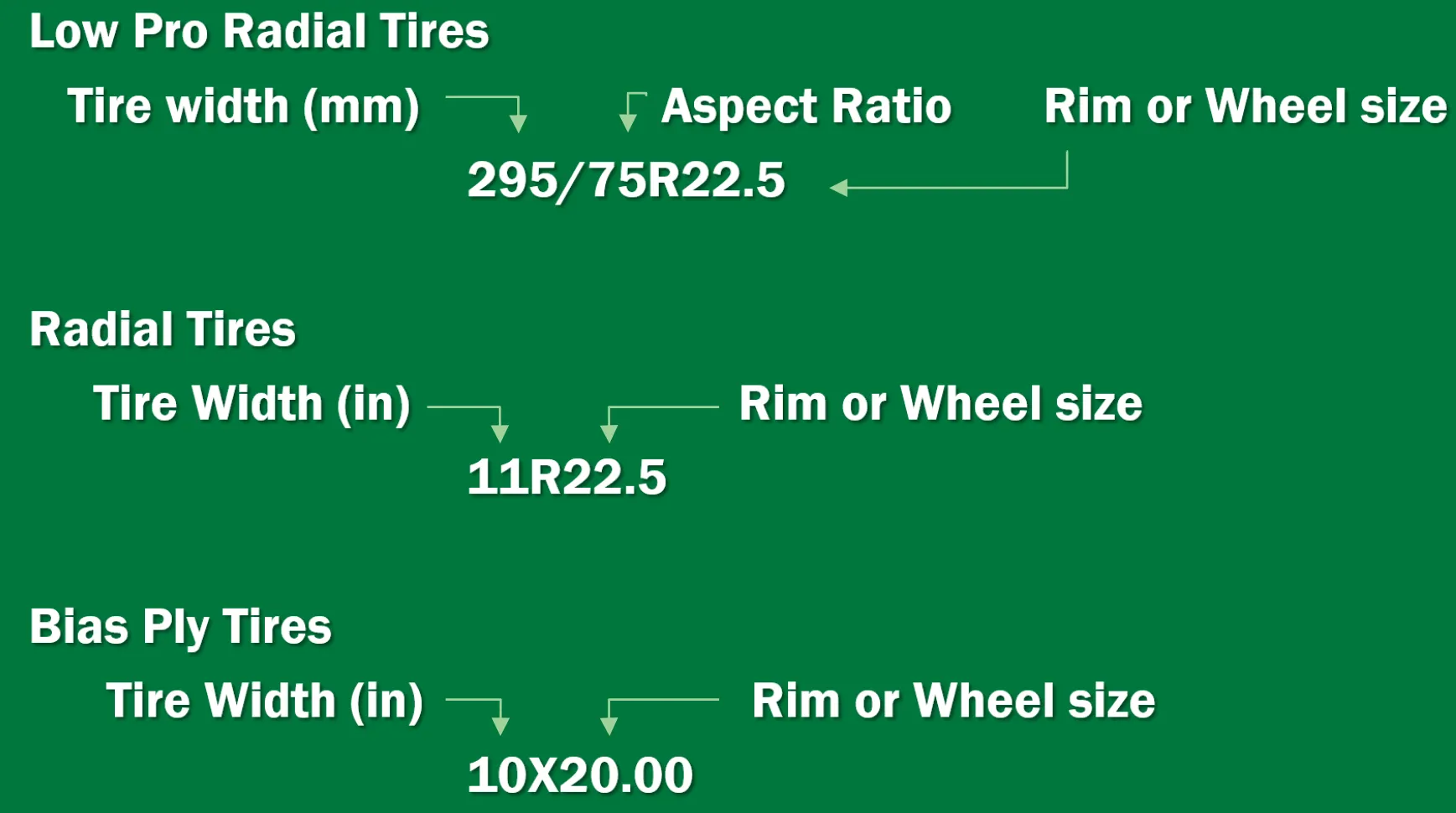
Low Pro Radial Tires
- Tire width (mm)
- Aspect Ratio
- Rim or Wheel size
- Example: 295/75R22.5
Radial Tires
- Tire Width (in)
- Rim or Wheel size
- Example: 11R22.5
Bias Ply Tires
- Tire Width (in)
- Rim or Wheel size
- Example: 10x20.00
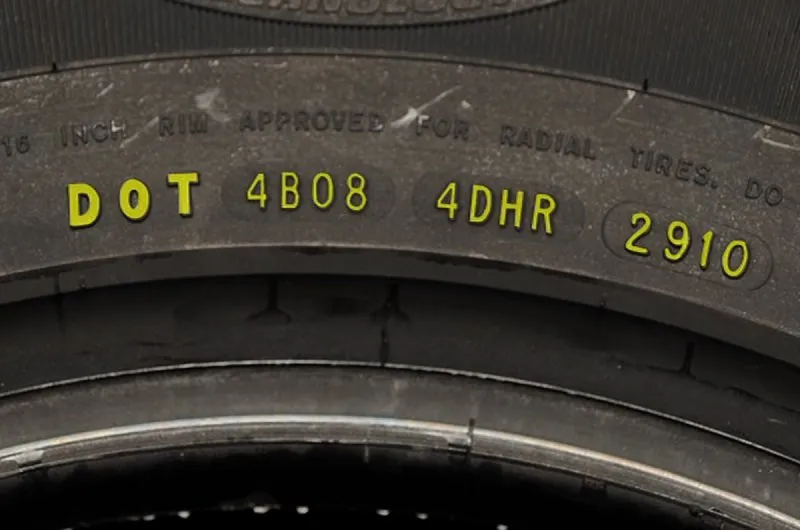
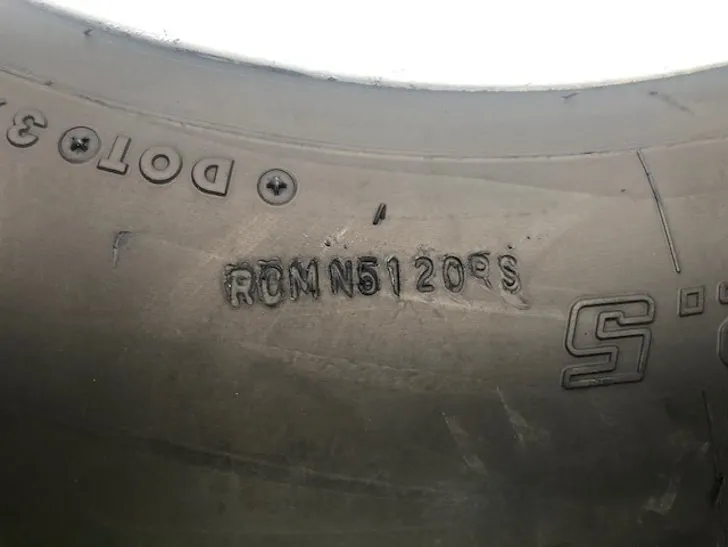
DOT Date Stamps
- The last 4-digit number is the date stamp
- Example: 2910 = Produced in the 29th week of 2010
Tire Wear Band
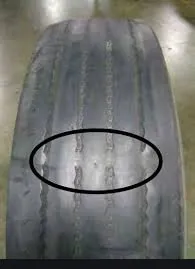
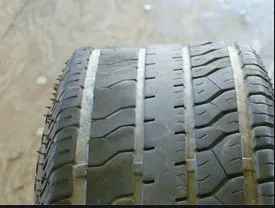
The wear band is an area in the groove of the tread that is 2/32nds taller than the rest of the groove. The purpose is to easily identify a tire that is at/below the minimum legal tread depth. Be sure when gauging a tire that you don’t gauge it over the wear band.
Tire Sizes
Premier Standard Tire Sizes
- Low Pro 22.5(LP22.5)
- 295/75R22.5 – Vans, Reefers, Flatbeds, and Chassis
- 285/70R22.5 – Vans, Reefers, Flatbeds, and Chassis
Note: Both sizes are acceptable and allowed to be run side by side with depth matching within +/- 4/32nds
- 255/70R22.5 (Not to be Retreaded) – Single Drops, Double Drops, Chassis & E-Vans(Lower Deck Height)
Retreading or recapping a tire is simply grinding the remaining tread off the tire casing to the original casing spec, and then adding new tread.
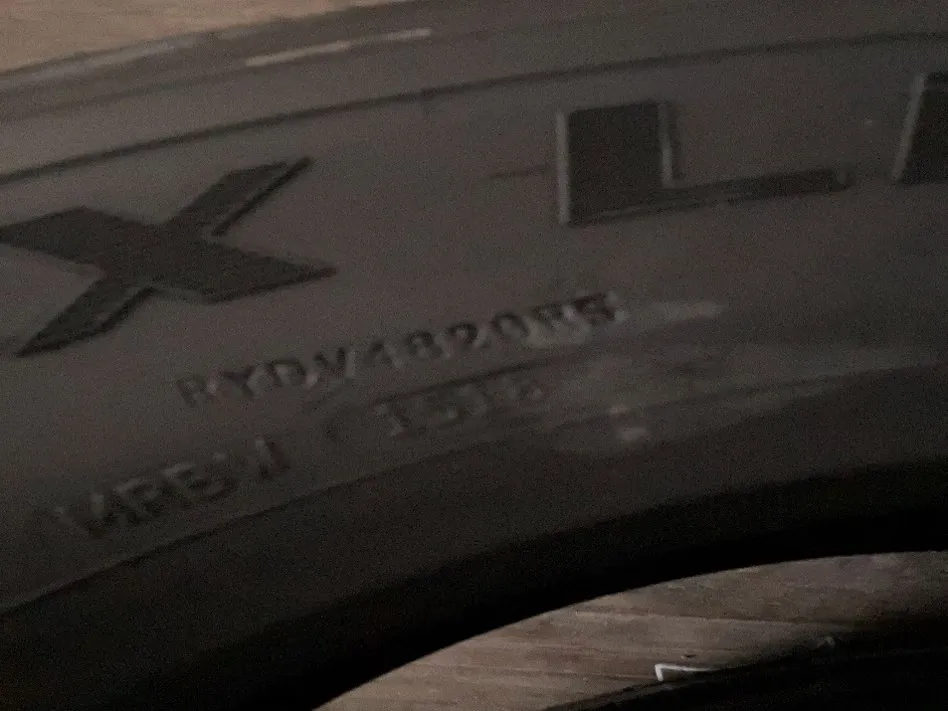
Retread DOT Stamps
- Each recap is branded with a date code
- This indicates how many caps have been on the casing
- Sometimes branding is skipped, so use with caution
Pre-Cure Retread
- Most common procedure
- A pre-cured strip of tread is added to the casing
- Tire is baked under pressure to cure the adhesive (padding compound)
Mold Cure Retread
- Raw rubber compound is added to the casing
- Tire is put in a mold (clam shell) and baked under pressure to cure the entire tread
“Hot Cap”
- Old procedure made for bias tires
- Raw rubber compound added to the casing and stretched into a heated fixed mold
- Should not be used
Retread Vendor Selection
- The selection of a retreader for the branch should be discussed with your ROM
- You must have ROM approval to switch or start using another capper
- Visit the capping facility to review their procedures and process
- You can cap casings up to 7 years old
- Casings 8 years and older should be sold or scrapped
- No limit to number of caps per casing
- Only cap Low Pro 22.5(295/75R22.5 or 285/70R22.5) size tires
- Casings that fail inspection should be scrapped by the retreader and not returned to the branch
- We only retread our own casings
- Never allow the retreader to swap casings with you
- Repair limits:
- Max 3 nail patches per casing
- Max 1 large or 2 medium/small sections at least 90° apart
Acceptable Repair - Patch
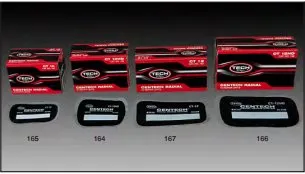
- Patch or nail patch applied inside the tire casing
- No more than 3 nail patches per tire
Acceptable Repair - Section
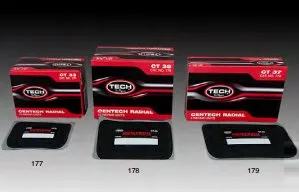
- Section repairs identical to a patch but larger
- No more than 2 sections at least 90° apart
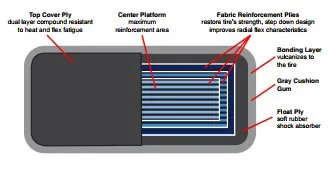
- Similar to patches but include reinforcing plies
- Allow larger repairs
- Bead repairs: Usually from improper mounting/dismounting; vendor responsible
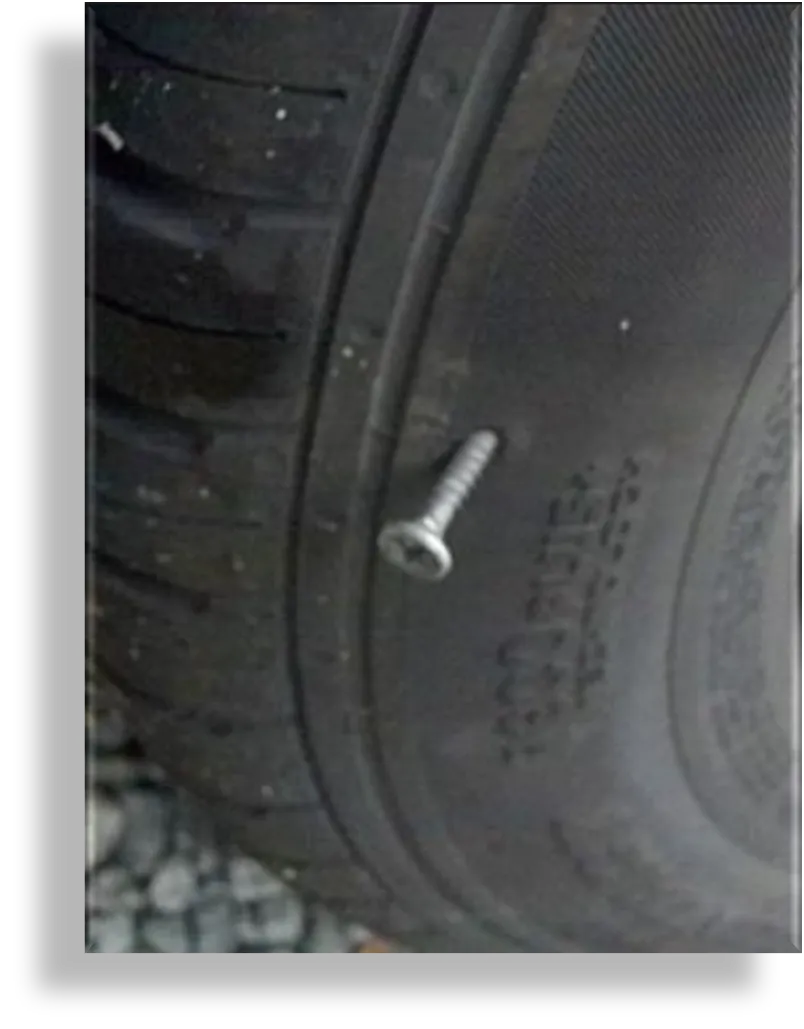
- Nail hole plugs: Illegal on commercial vehicles, must be properly repaired
- Regrooving of flat or low spots: Tire remains unbalanced and won’t last
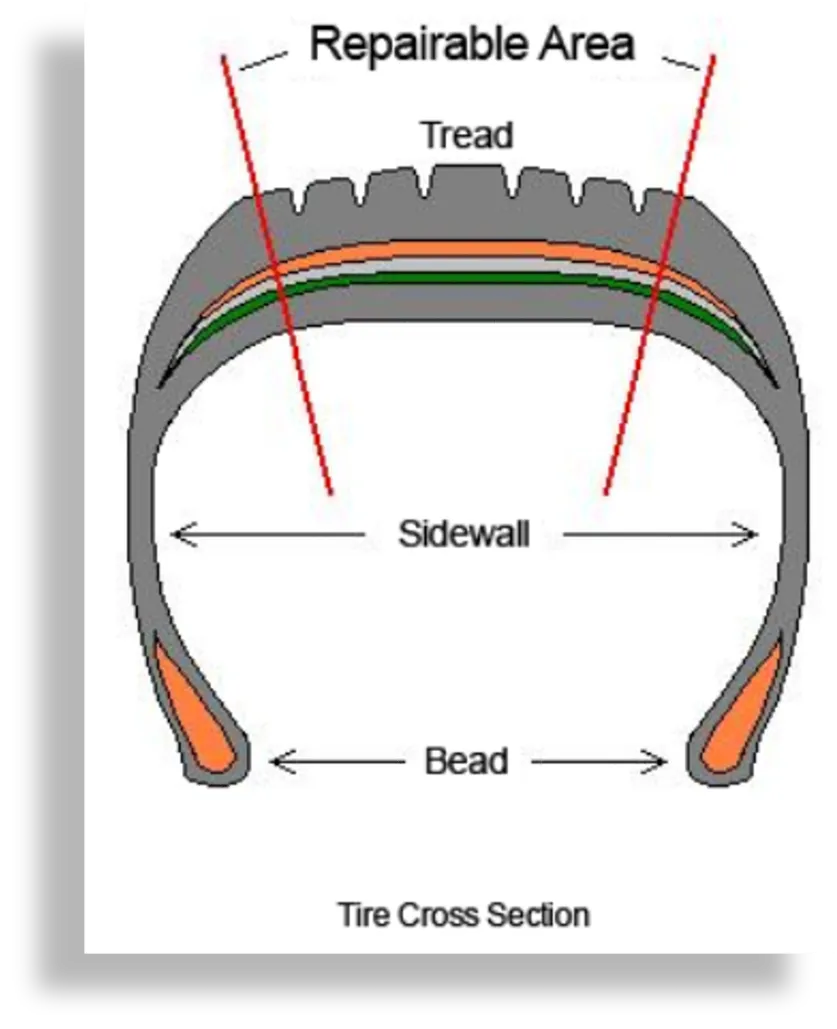
- Sidewall repairs: Broken cords cause catastrophic failures
- Zip ties: Never acceptable 😀
Maintaining proper tire inflation is important to maintain life and minimize tire expense.
All tires should be inflated to 100 PSI to maximize efficiency.
Effects of Overinflation
- Less Road Contact: Too much air makes the tire bulge in the middle. Only the center tread touches the road, which reduces your traction and grip.
- Uneven Tread Wear: Because the center bears all the weight, it wears out much faster than the outer edges. You will need to replace your tires sooner.
- Poor Handling and Stopping: Less rubber on the ground means longer stopping distances and a higher chance of skidding or sliding during emergency braking.
- Rougher Ride: Overinflated tires lose their ability to flex and absorb shocks. You will feel every bump, crack, and small rock in the road
Effects of Underinflation
- Longer stopping distances: Deformed tires cannot grip the road well, so this make it take longer to stop
- Risk of blowouts: Extra friction and sidewall flexing build up high heat, which can cause sudden tire failure.
- Lower fuel economy: Higher rolling resistance forces your engine to work harder and burn more fuel.
- Uneven tread wear: Tires wear down quickly and heavily on the outer edges, shortening their lifespan.
- Frequent replacements: Premature damage means you must buy new tires much sooner than expected.
General Causes
- Modern tire manufacturing and recapping minimize defects
- Most issues caused by low inflation or impact damage
- Damage may persist even after conditions corrected
Cupping
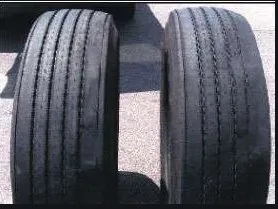
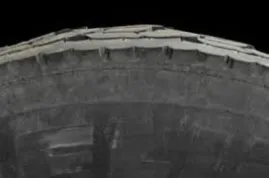
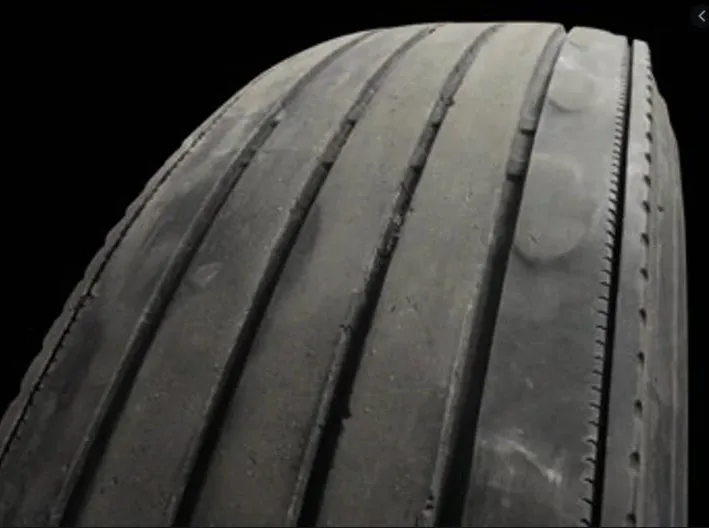
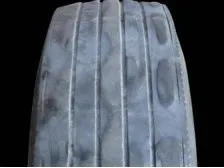
- Most common irregular wear
- Caused by low pressure or mismatched dual tires
- May also result from broken shocks
Flat Spots
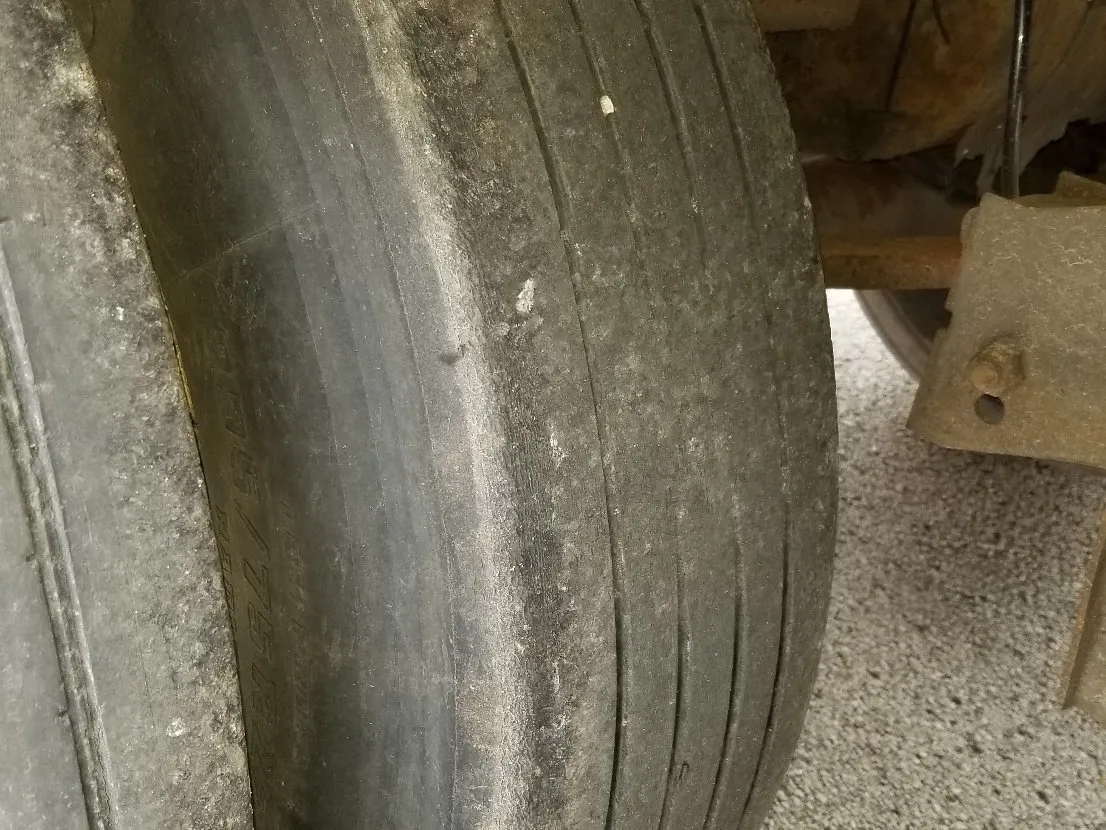
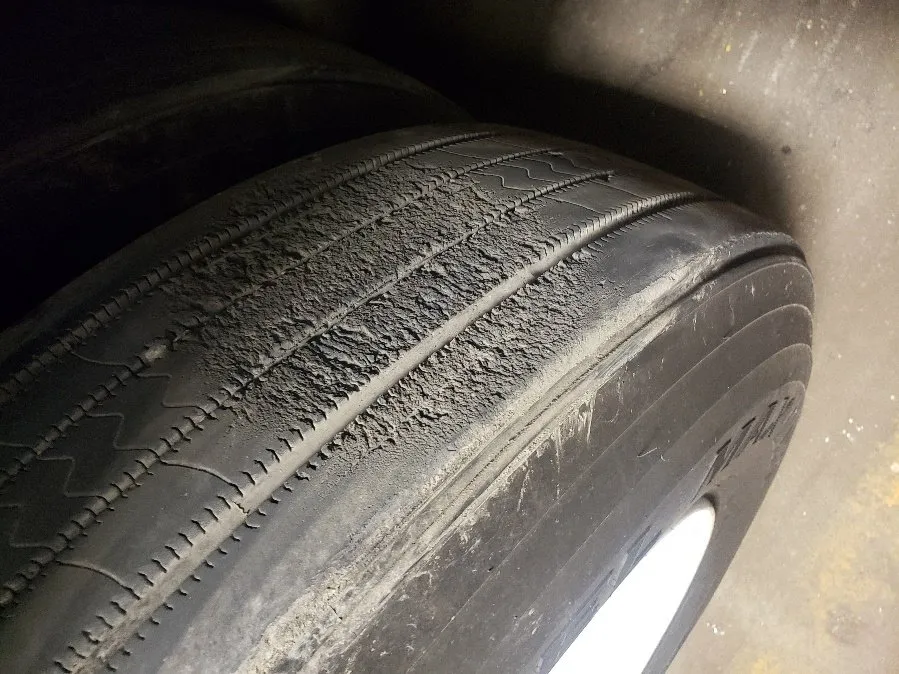
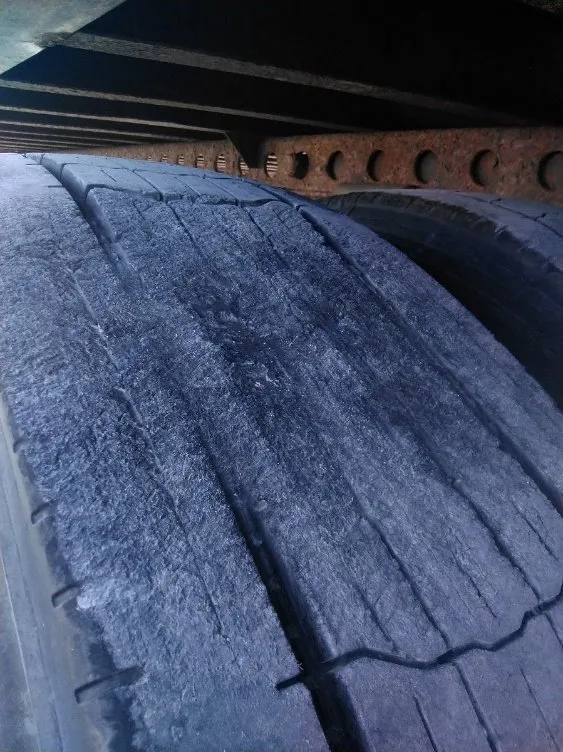
- Caused by dragging trailer (locked brakes or moving before brakes release)
- Gauge tire at lowest spot during inspection
Impact Breaks
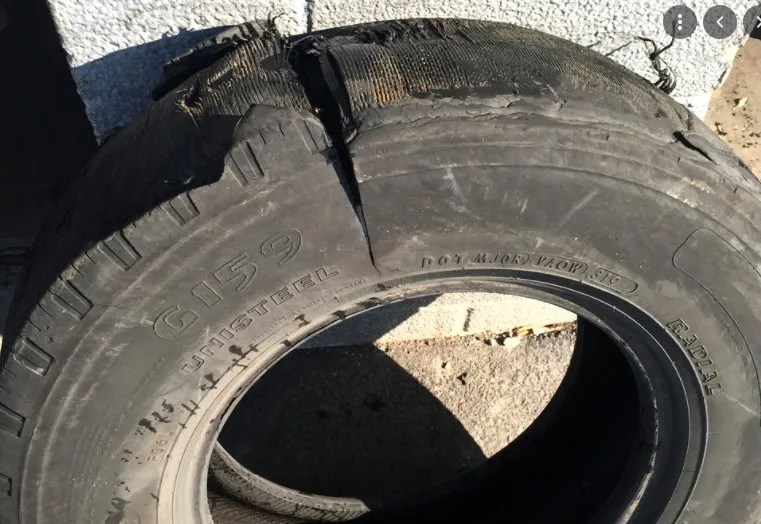
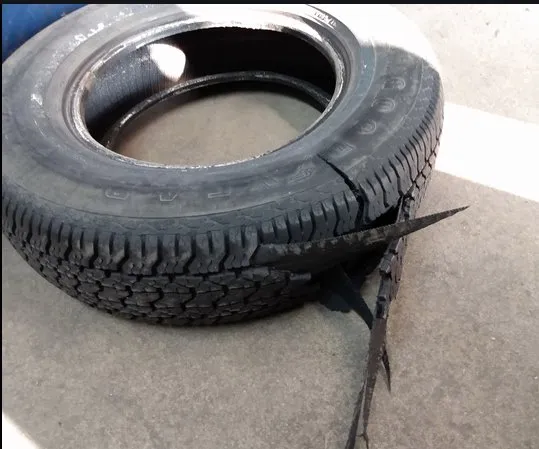
- Caused by hitting debris, potholes, or curbs
Sidewall Cuts & Gouges
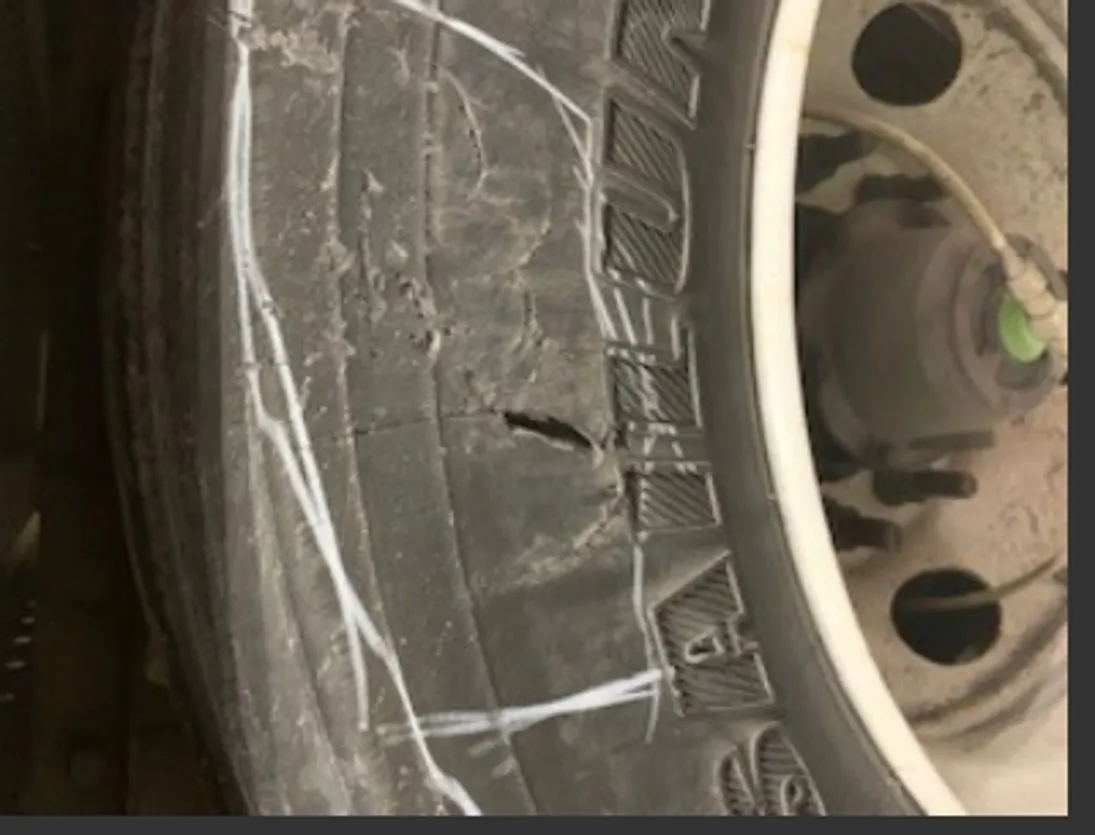
- Caused by rubbing against objects (curbs, trailers, debris)
- Acceptable if cords not exposed
Alignment Issues
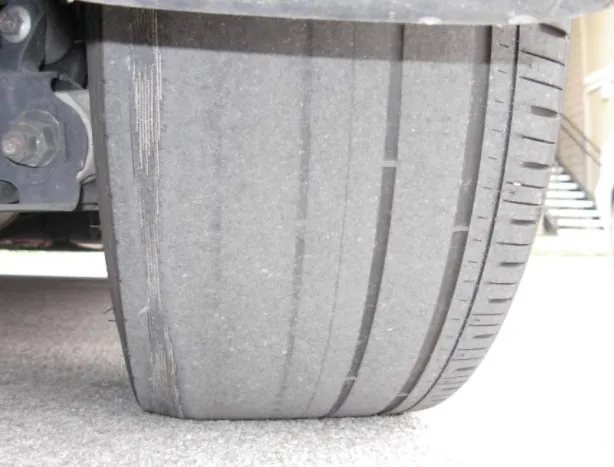
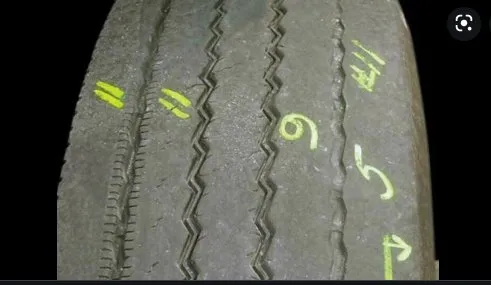
- Wears tire unevenly across tread
- Check for axle misalignment or suspension damage
Anti-Scuff Band (Shoulder) Wear
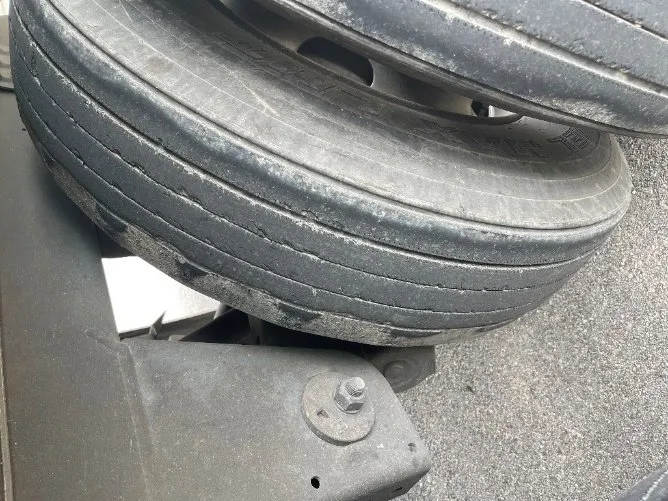
- Edge wear from anti-scuff band protecting inner tread during turns
NOTE: As long as wear does not crossover to inner tread, edge wear alone does not warrant a tire replacement.
Goals
Provide the highest quality tires while controlling maintenance costs. Because we recap only our casings:
- Buy a mix of virgin and recapped tires
- Install virgin sets on newest vans, reefers, and spread axles
- Use “take-offs” for matching older units
- Keep used tires in inventory for single replacements
- Match tires across axles for longer wear
- Replace valve stems during tire
- Flow-thru caps on all tires
- Use Premier web shop gauges; replace yearly
Fleet Tire Size Consistency
- Standardize tire sizes fleet-wide
- Replace odd sizes with standard sizes when possible
- Trade good casings for common ones with tire suppliers
- Standardization reduces cost and simplifies road calls
Tire Matching
- Tires work best when tread depth and PSI are matched
- Mismatched tires cause uneven load distribution and premature wear
- Only virgin tires allowed on Reefer, Liftgate, or Spread Axle trailers
- Side-by-side tires:
- Over-the-road trailers – within 4/32nds
- Cartage trailers – within 6/32nds
Rim Refurbishment
- Rusty rims can trigger DOT inspections
- Maintain refurbished rims in inventory
- Replace rusty rims when installing new tires
Galvanized Rims
- If replacing, use white rims - match outside rims
Vendor Selection
- Choose vendors who:
- Carry national account brands
- Have sufficient service trucks
- Handle road calls and recapping
- Offer rim refurbishment and casing trade
- Maintain two suppliers minimum
- Tire vendors should specialize in tires, not general mechanics
- Work with ROM on vendor selection
Maintenance Types:
Standard Maintenance | Net Maintenance |
|---|---|
Mileage fee applies; maintenance managed by Premier | No mileage charge; customer manages maintenance |
Includes FHWA inspection and normal wear | No coverage beyond return condition |
Customer charged for anything beyond normal wear + service call | Customer pays all external maintenance |
Net Maintenance
On-Hire: All costs plus standard markup
At Termination:
- If tire type changed → casing billed under ESN
- Unusable tire (sidewall damage) → INB 32nds = 2
- Flat spotted or irregular → measure at lowest spot (2 min)
- Flat tire → repair + markup
Standard Maintenance
- On Hire: Low tread → road call fees + markup
- Lost casing: Local market cost
- Excessive wear: <12,000 miles per 1/32
- Flat repair: Cost + markup
- Damaged tire: Road call fees + markup
- Proration formula:
- Remaining 32nds – 2/32 (DOT pull-off) × $45.00
- Lost casing fee not to exceed $600 total per tire
How To Prorate a Tire – Maintenance RA
- Normal wear:
- Close tandem – 12,000 mi per 1/32
- Spread axle – 8,000 mi per 1/32
- Example:
- OUB 12/32, hub 1 → 26,500 mi
- Useable tread = 10/32 – 3/32 = 7/32
- 7 × $45 = $315 + $95 casing = $410 total (max $600)
If tire replaced previously, use miles since last replacement for proration.
Tires on Foreign Branch Division
Effective April 2023:
- Replace tires against another branch expense using retreads from stock
- Add task line: “Retreading for Stock #321”
- Exceptions:
- Only new originals on Reefers, Liftgates, and Spread Axles
- If casings cannot be retreaded:
- Add one extra retread per lost casing with photo and note documentation
Reference the Tire Management Guide for more Information